|
In between Light and
Darkness
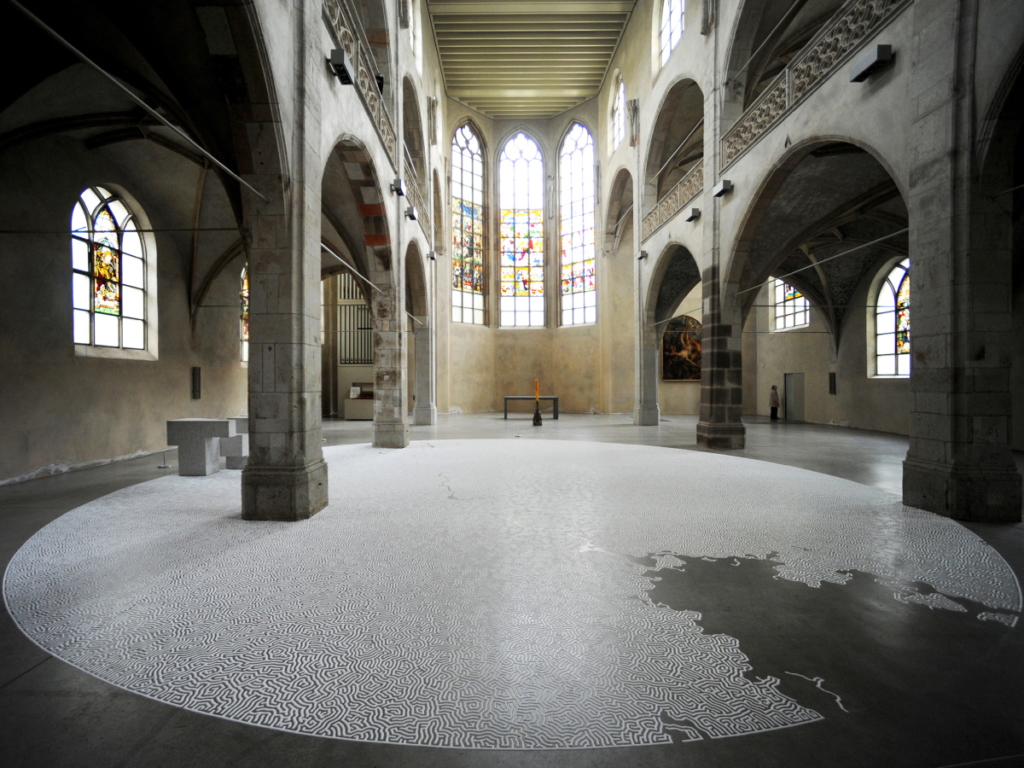
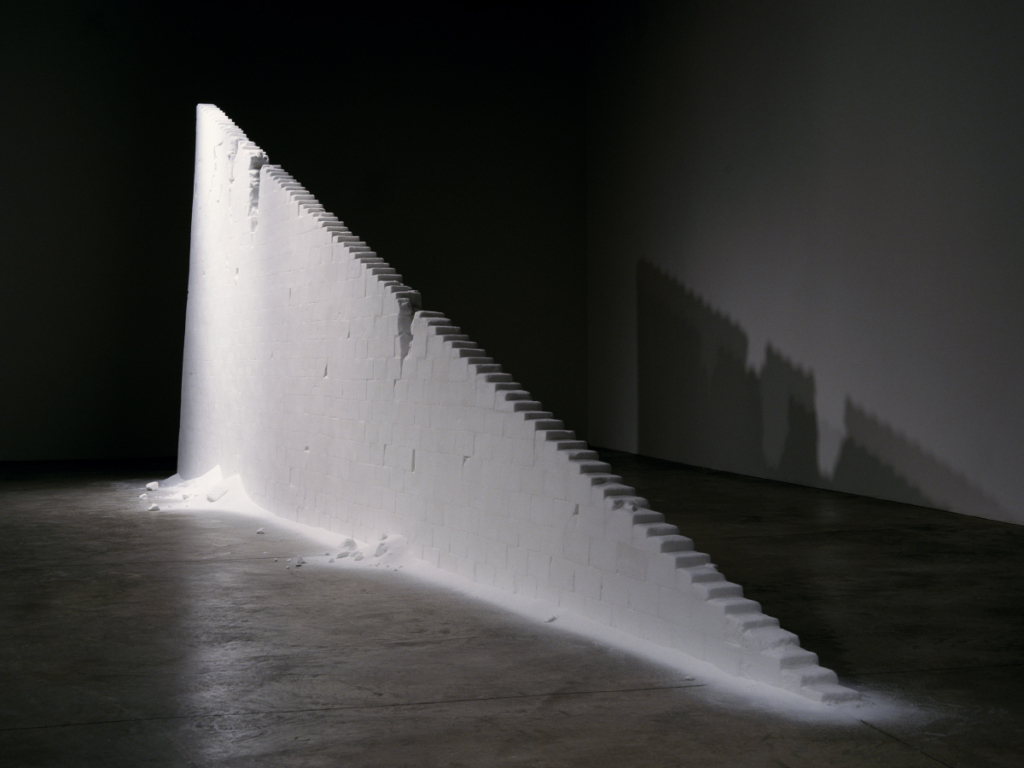
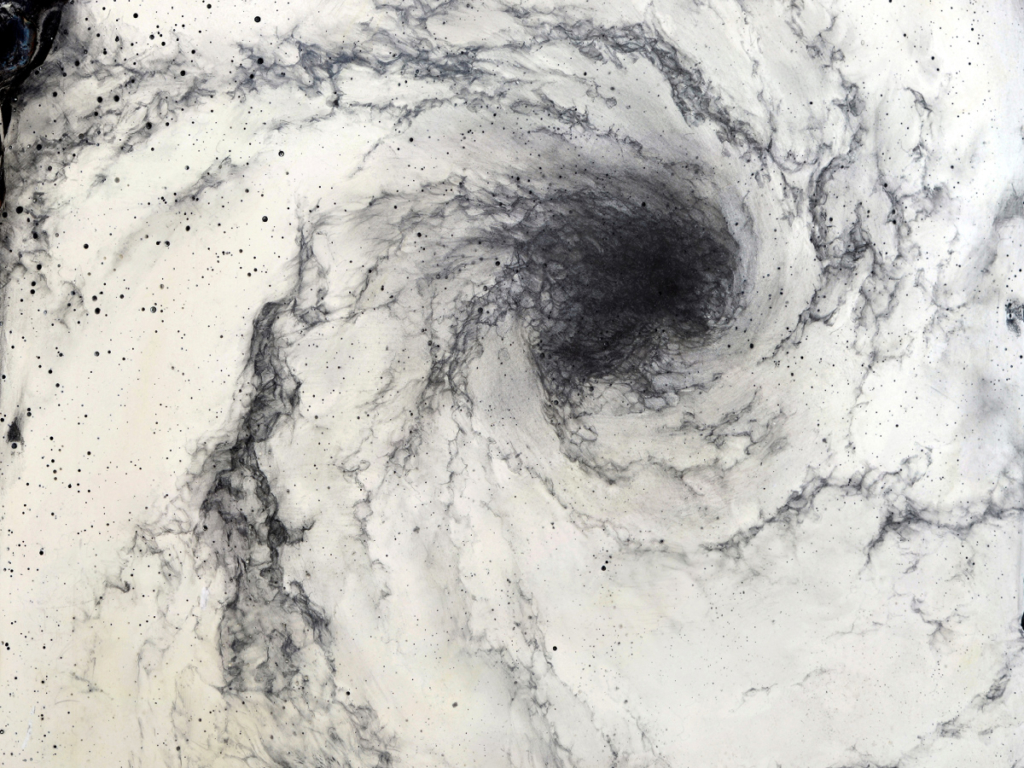
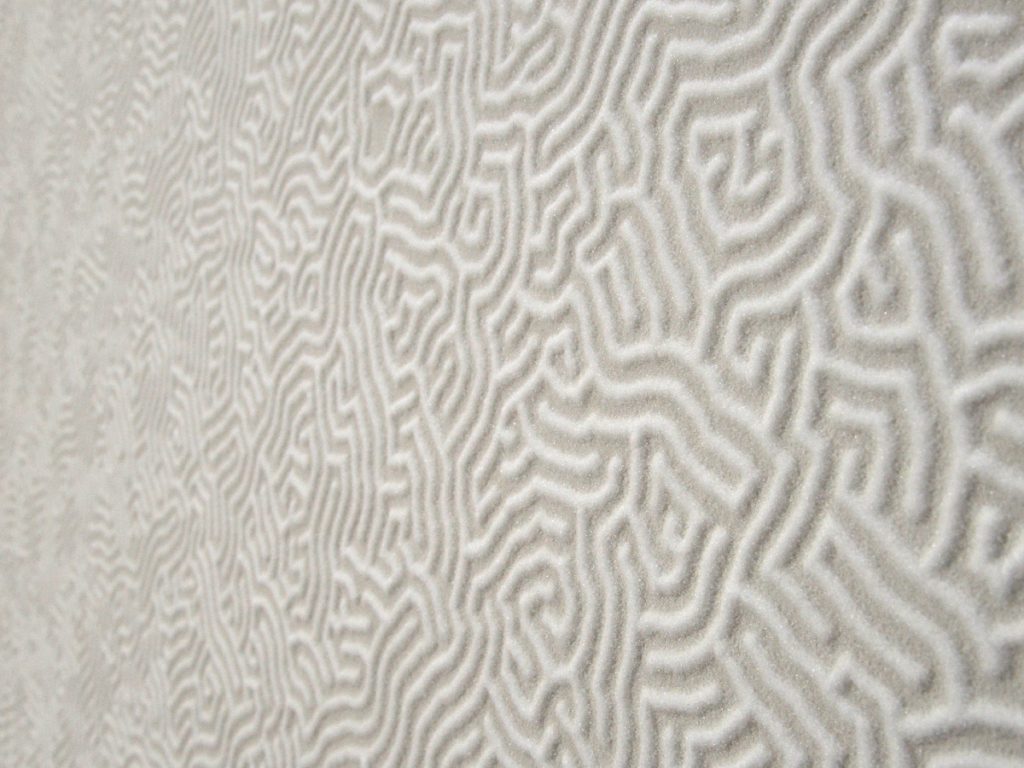
There is an installation by Motoi Yamamoto in which a prow-like structure
appears to be embarking into the gallery space - Unfulfilled.
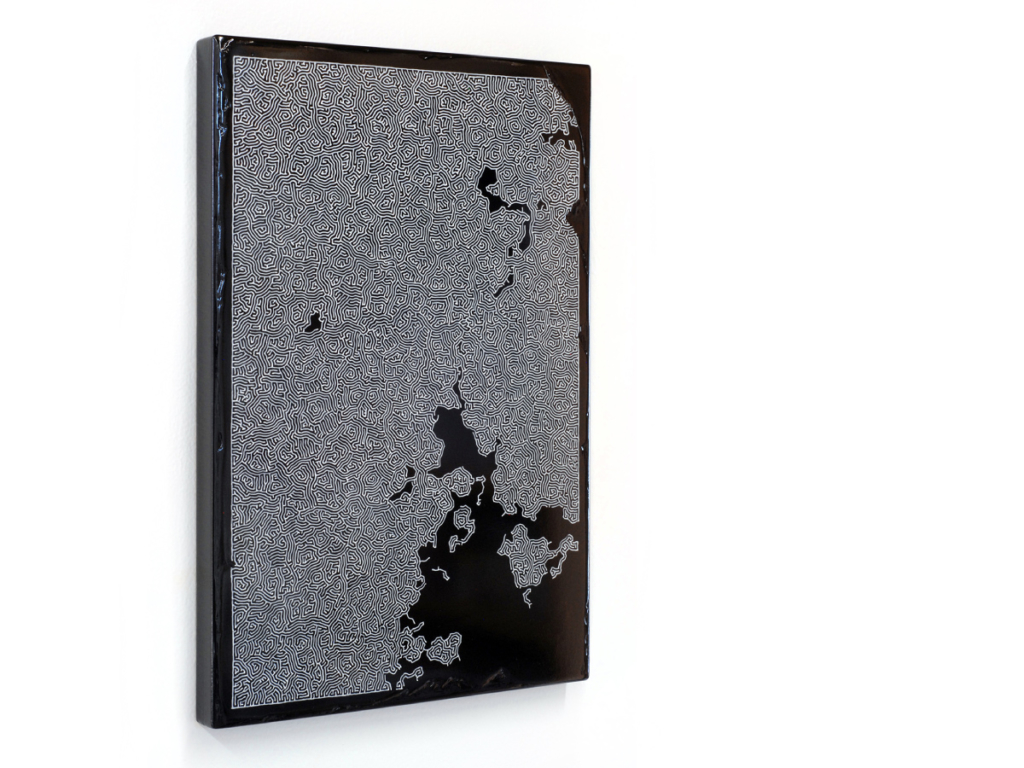
In another installation, sheer darkness from the depths of a narrow corridor
made by salt opens its mouth towards the viewer. - a corridor to remembrance.
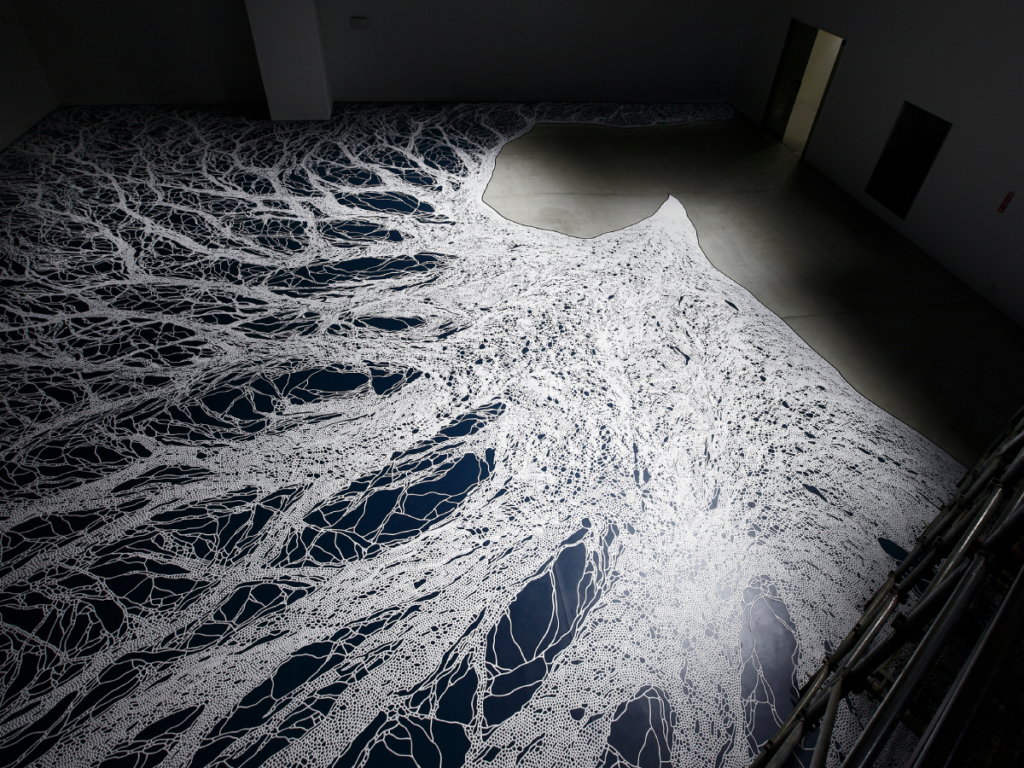
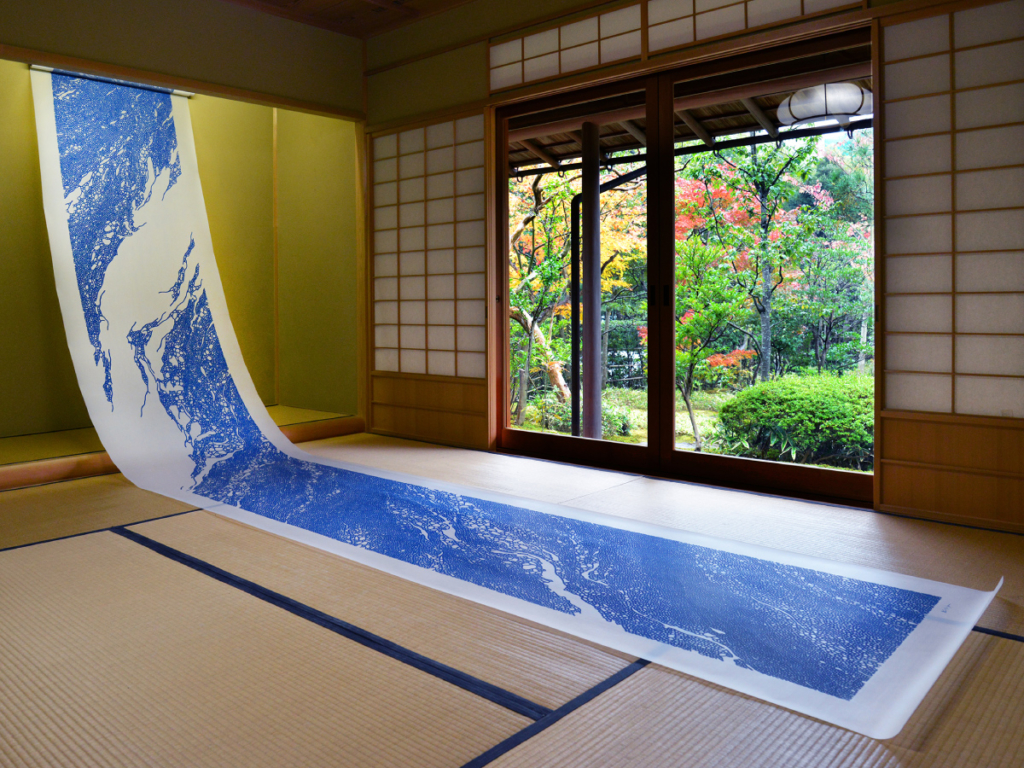
Many of Motoi Yamamotoユs installations appeal to our visual as well as
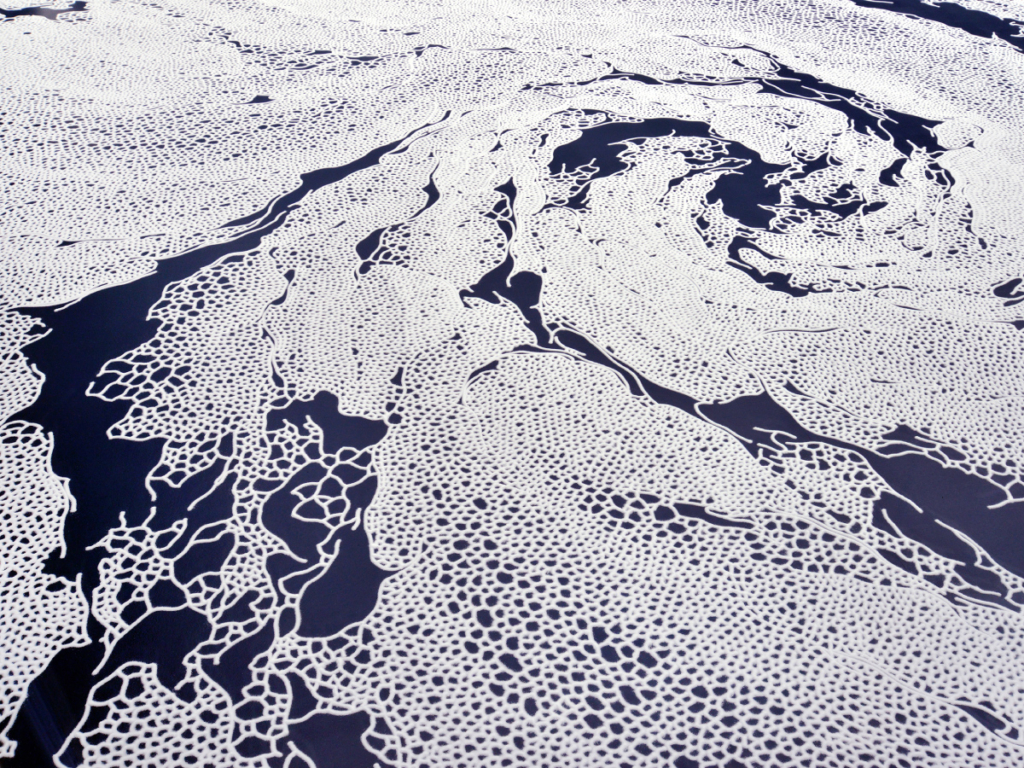
physical faculties. The darkness, which exists in the sheer volume of
salt, a material shared by creatures from ancient times to the present,
seems to evoke a desire as well as a physical reaction to know what lies
in or beyond the shadow; yet it also represents a hint of the sublime
in which the viewer might experience an inability to think discursively.
It is not an exaggeration to say that we are living in a society and
era described as late modernity or a still-modernizing world. Modernization
is understood as enlightening society with the light of civilization.
This could mean that light has eluded all unexpectable or uncontrollable
social elements to the degree that humans hold a complete hegemony over
these aspects.
However, there still exist aspects which humans cannot cope with by themselves.
Amongst these, there is the notion of death. It is a simple phenomenon
that happens inevitably and equally to every single person and deprives
them of ever accumulating knowledge, human relationships, property or
honor. Humans in modern society are inclined to try to control and keep
death away from everyday life, regardless of the fact that they fundamentally
do not posses any power of control over it. This may be recognized in
that the very notion of death is arbitrarily manipulated, sanctioned and
isolated by the medical establishment or health policies of society.
Modernized society seems to neglect this shared inevitability, overshadowed
by a civilizing light.
In such a social situation, Yamamoto constantly holds his gaze towards
the shadow. He started sensing its existence when his younger sister died
of a disease some years ago. Since then, he has been increasingly aware
of what he lost and begun to trace the memories around the event. In this
process, his consciousness towards the shadow was awakened and he came
to conceive of it as a realm which his rational knowledge cannot reach.
To think of memory in general, I am often reminded of what Chihiro Minato
remarked. That is, memory is not tied to a definitive point in the past;
rather it is constantly produced and rewritten in relation to a subject's
present positions. Memory indeed resides in oneユs will in the present
to remember events in the past. If this notion sounds credible, it could
be said that the shadow in Yamamotoユs works could be seen as a window
connecting to and reflecting both a will to remember particular events
and causes particular states of mind through a constant casting towards
his present conditions, as well as a limit in terms of perception and
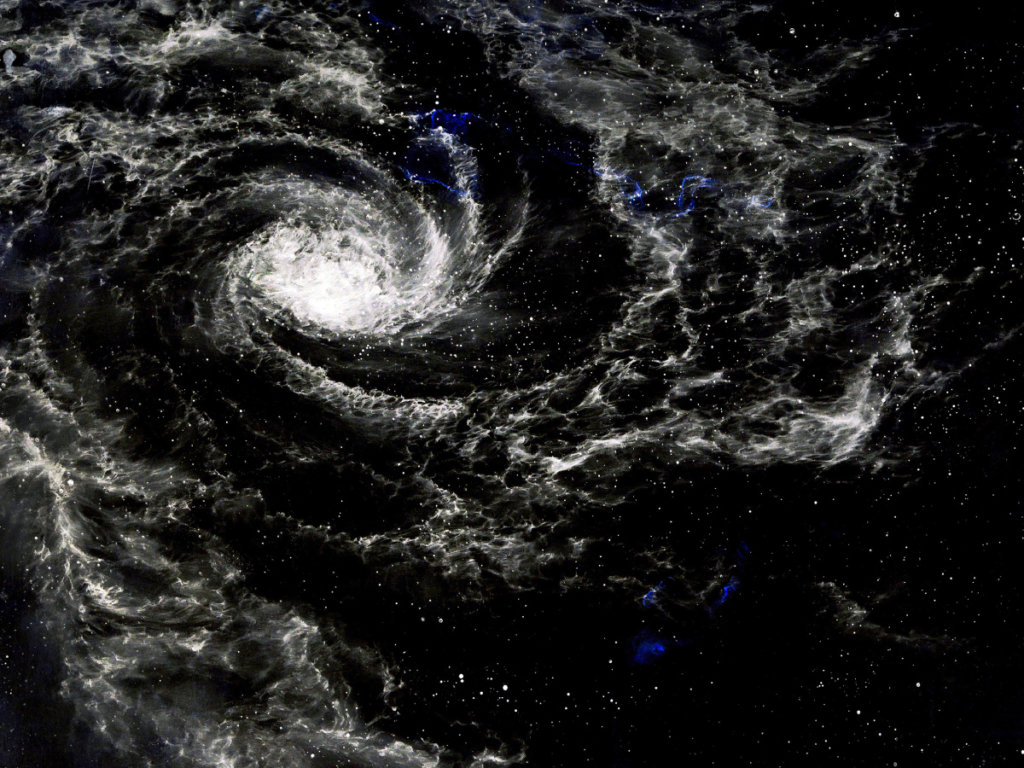
physicality engendered in this process. The darkness transforming and
becoming darker or brighter depending on installations is nothing other
than his will to recall the past. This practice echoes the possibility
to open himself up to a process of constant- becoming of memory as process,
a work as act and indeed his life.
Curator
Kai Ozawa

|